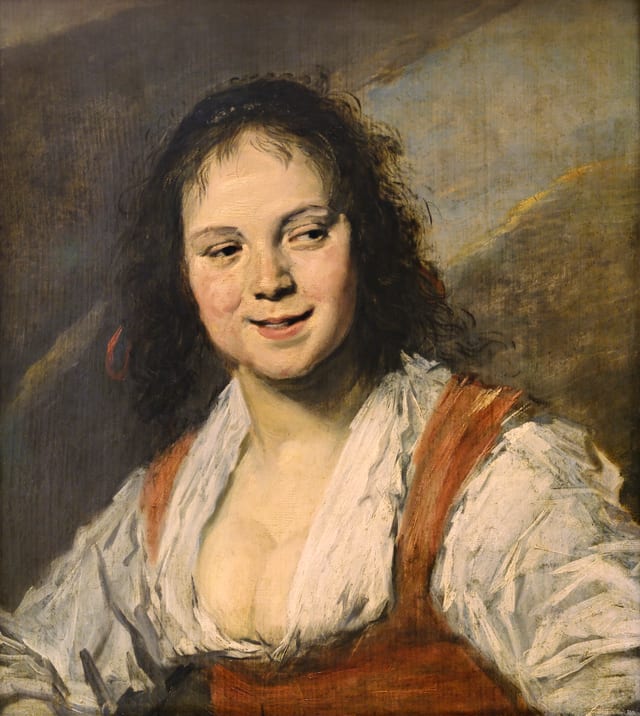
Gipsy Girl
Frans Hals · 1626

Frans Hals
Dutch Republic · 1582–1666
Frans Hals the Elder was a Dutch Golden Age painter. He lived and worked in Haarlem, a city in which the local authority of the day frowned on religious painting in places of worship but citizens liked to decorate their homes with works of art. Hals was highly sought after by wealthy burgher commissioners of individual, married-couple, family, and institutional-group portraits. He also painted tronies for the general market. There were two quite distinct schools of portraiture in 17th-century Haarlem: the neat (represented, for example, by Verspronck); and a looser, more painterly style at which Frans Hals excelled.
Independent artist guide by Momentable. Biography from Wikipedia; artworks credited to the museums that hold them.
 LIVENow streaming · Gipsy Girl
- life
- 1582–1666life
- rights
- Public domainrights
The work
A selection of 7 works, free to stream.
Gipsy Girl
Frans Hals · 1626
Louvre
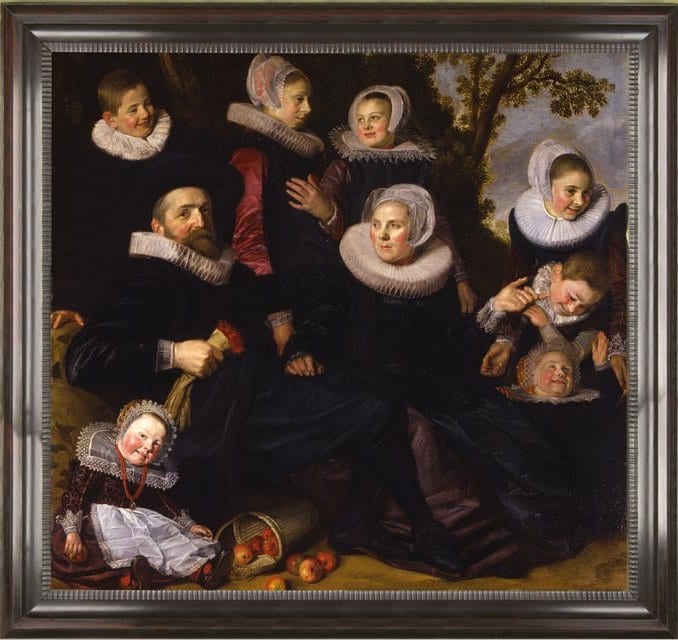
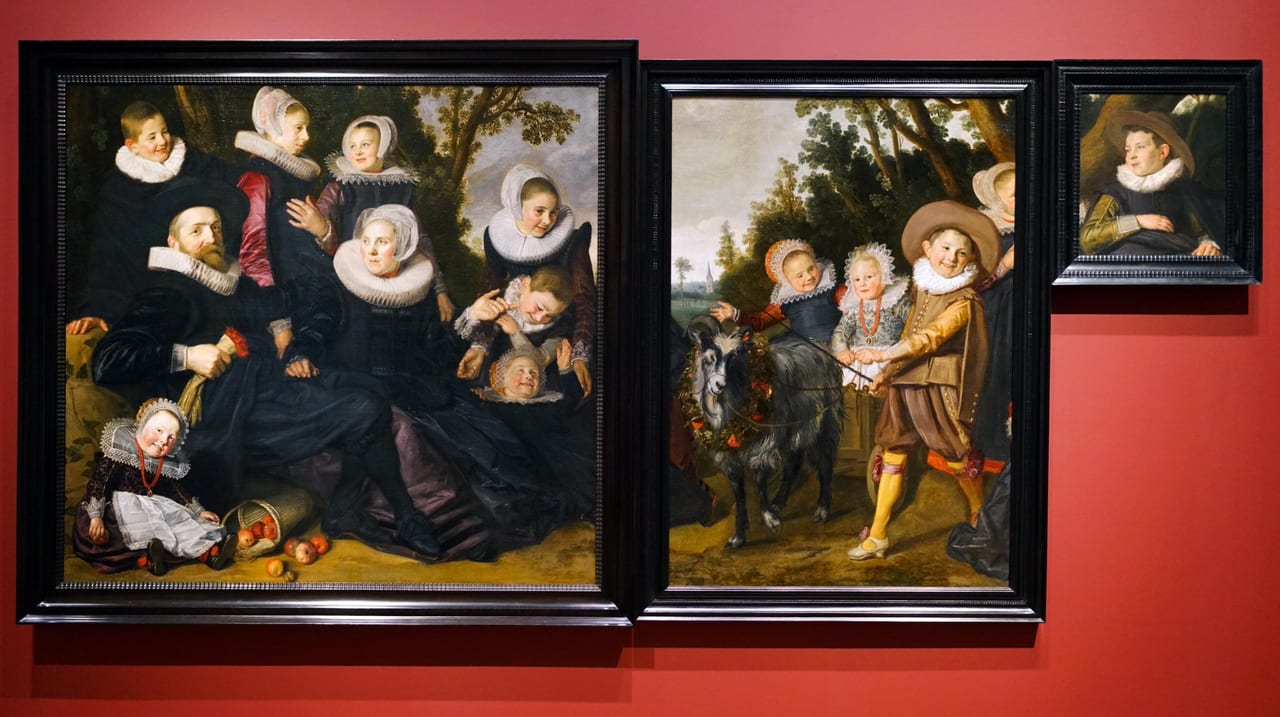
Van Campen Family Portrait in a Landscape (left half)
Frans Hals · 1620
Toledo Museum of Art
Portrait of a family in a landscape - three temporarily united fragments
Frans Hals · 1624
Toledo Museum of Art
Fisher Boy with Basket
Frans Hals · 1630
National Gallery of Ireland
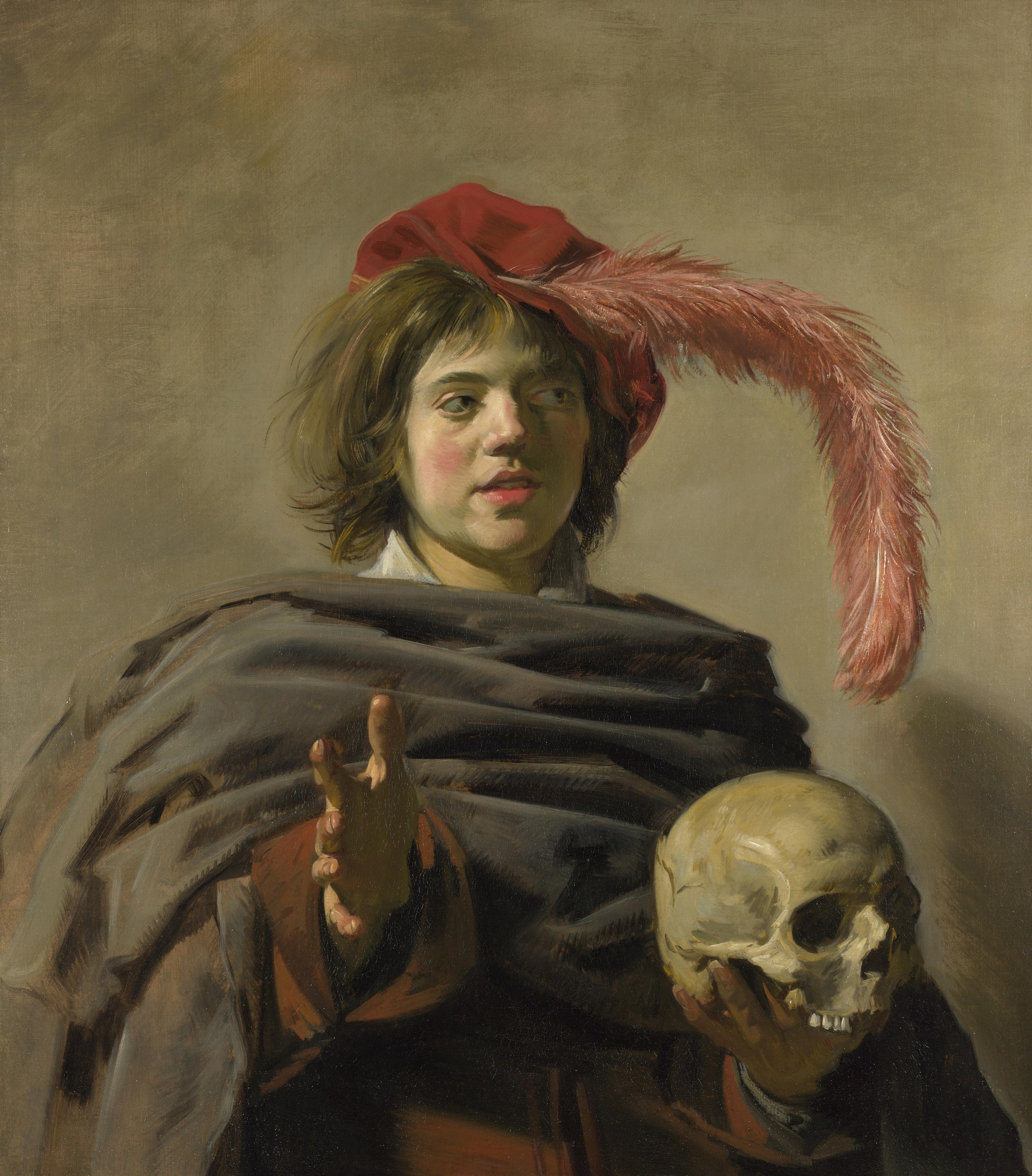
Portrait of a young man with a skull
Frans Hals · 1626
National Gallery
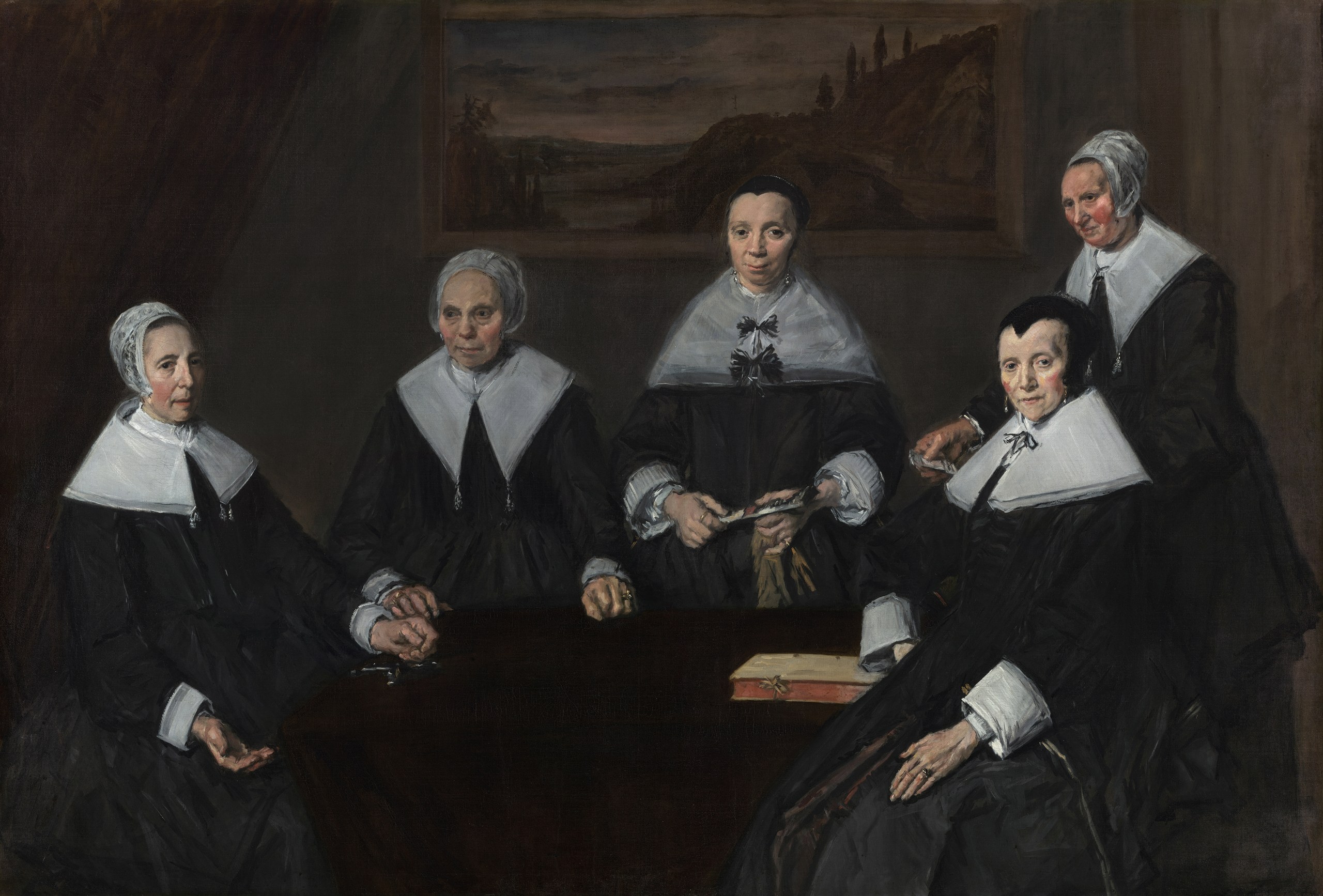
Regentesses of the Old Men's Alms House
Frans Hals · 1664
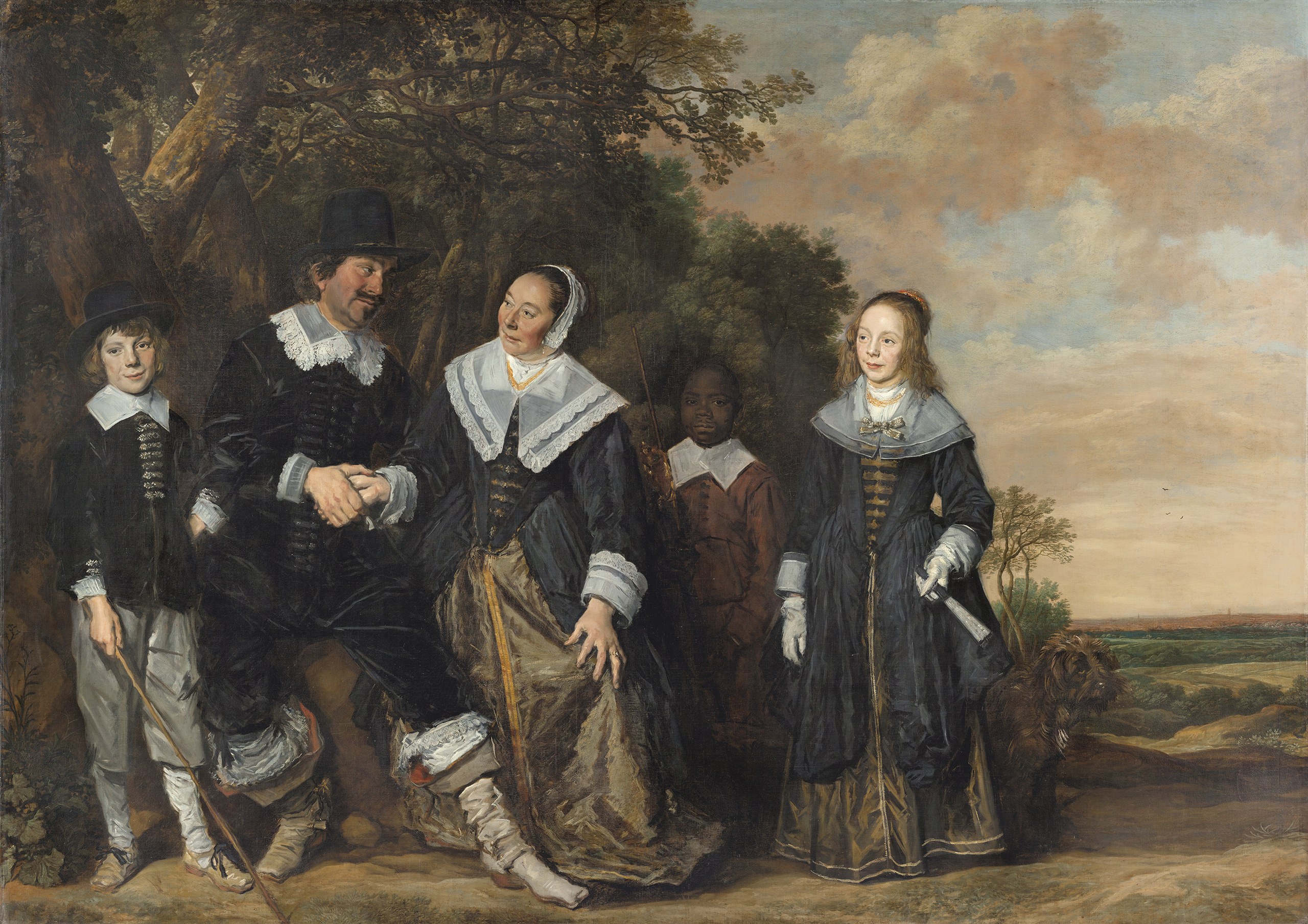
Family group in a landscape
Frans Hals · 1640
Thyssen-Bornemisza Museum
Works worth knowing
5 of Frans Hals's works, and what makes each one worth a look.
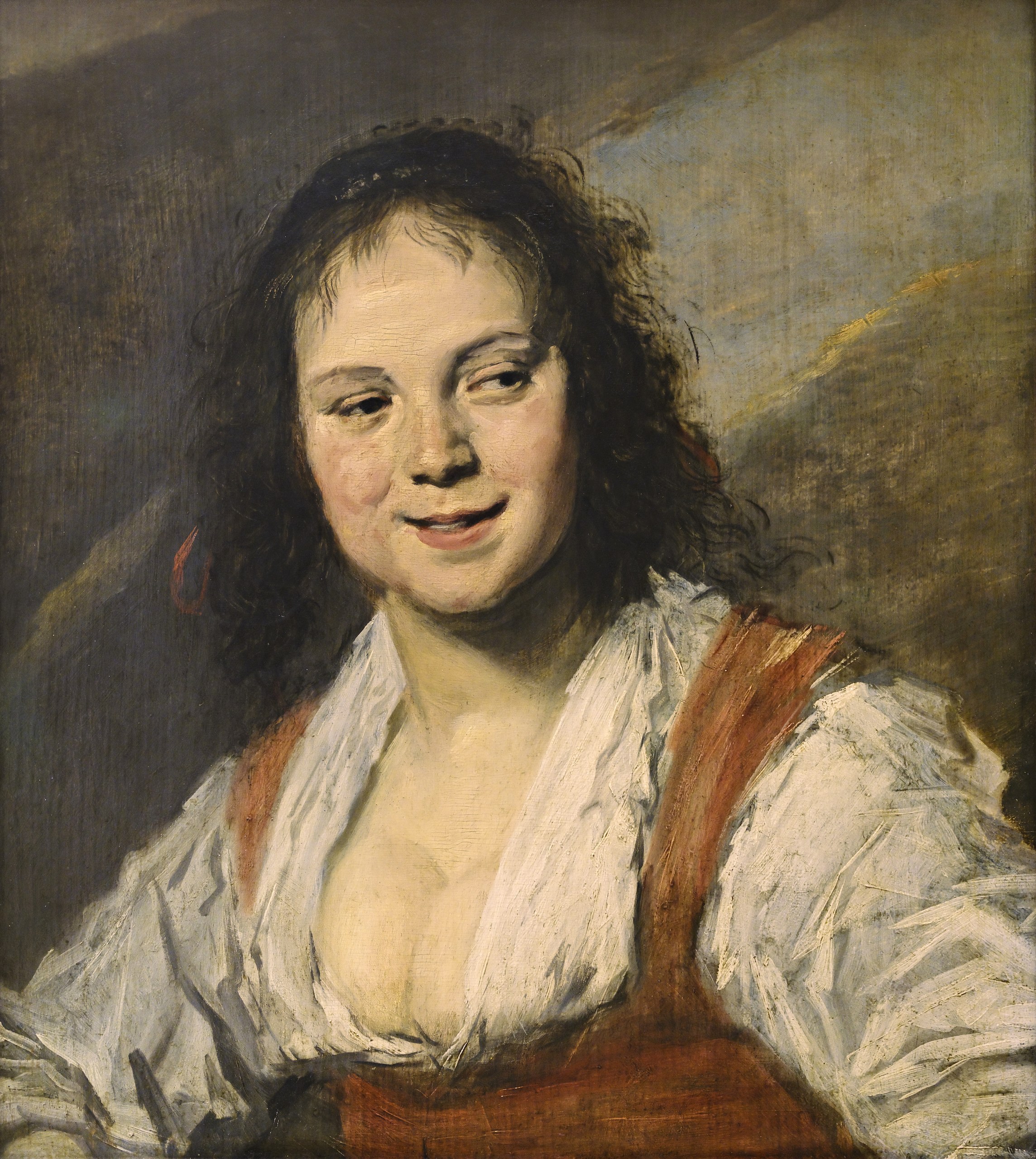
Gipsy Girl
Frans Hals · 1626
Louvre
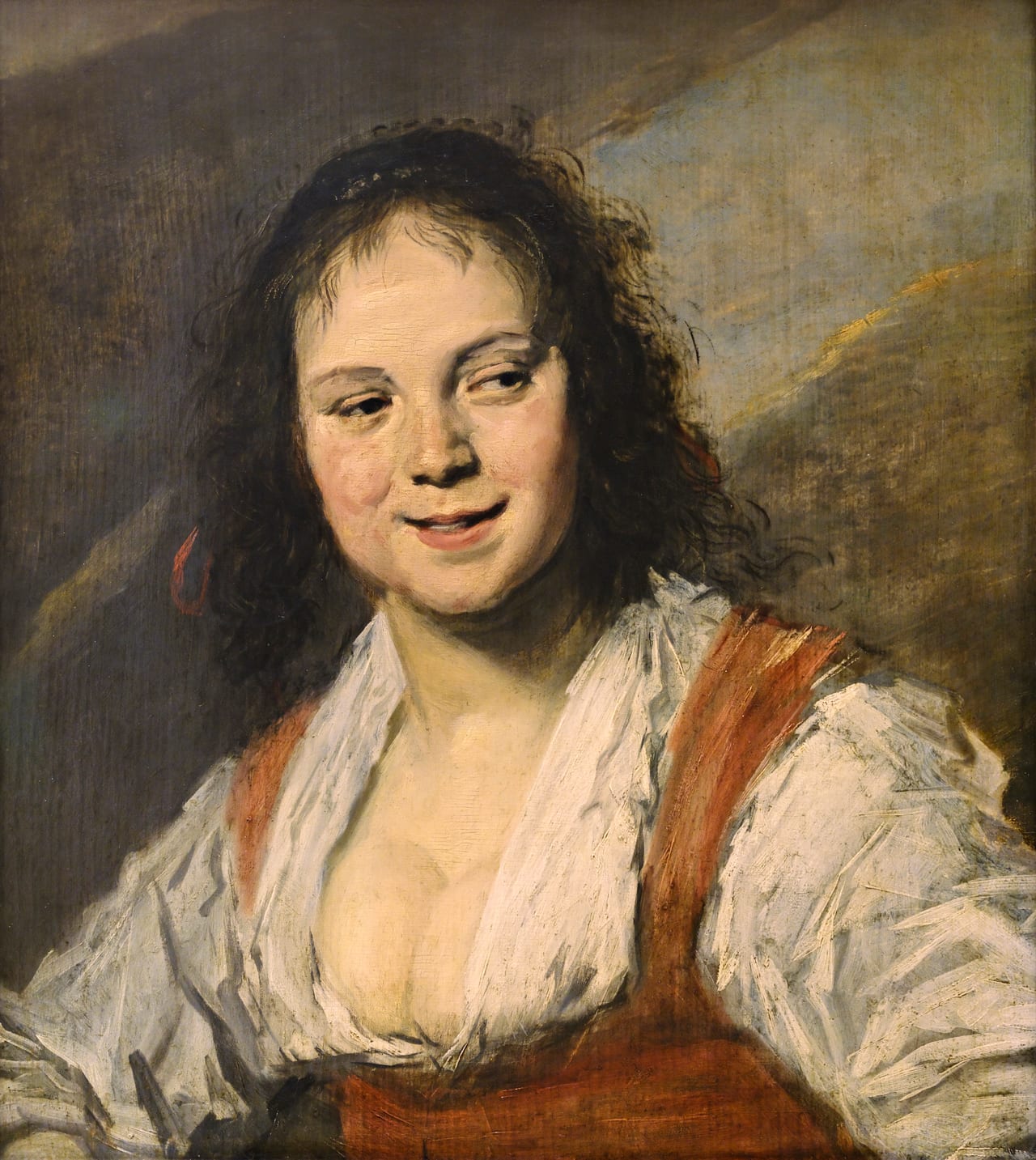
The Gypsy Girl, also known as Gypsy Girl or Young Woman (La Bohémienne) (and sometimes erroneously referred to as Malle Babbe) is an oil-on-wood painting by the Dutch Golden Age painter Frans Hals, painted in 1628 to 1630, and now in the Louvre Museum, in Paris. It is a tronie, a study of facial expression and unusual costume, rather than a commissioned portrait. The display of cleavage was not a common feature of costume seen in public in Hals' time and place.
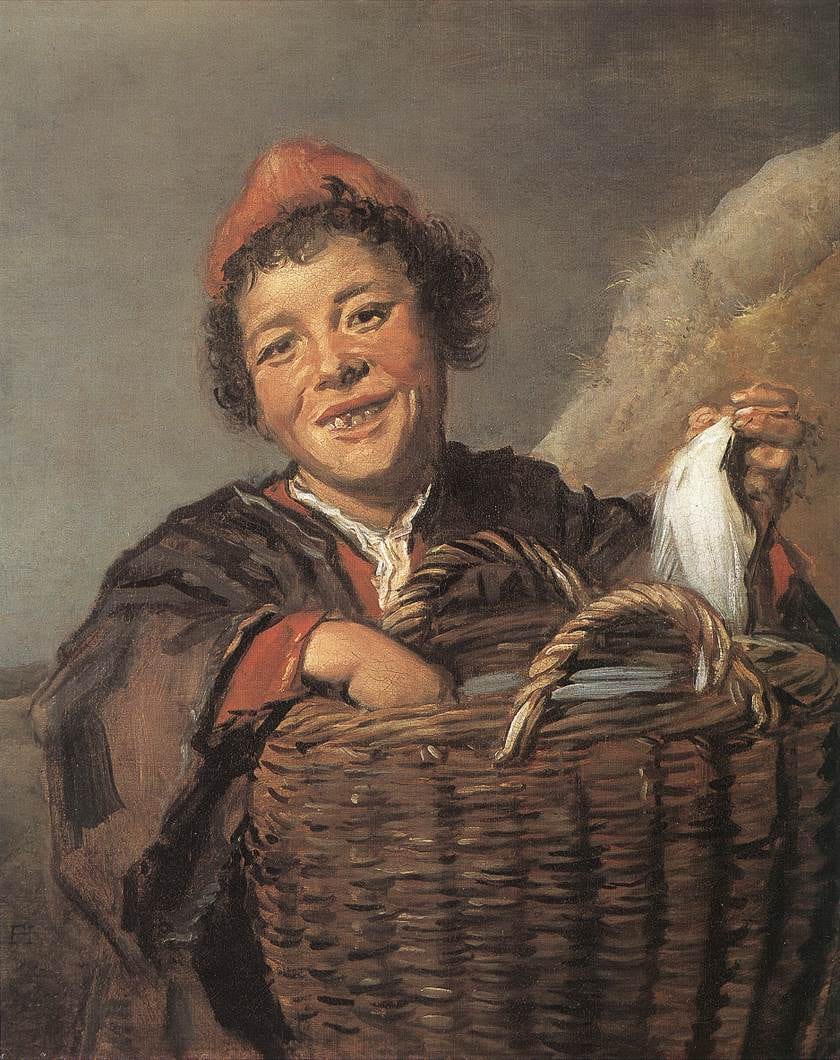
Fisher Boy with Basket
Frans Hals · 1630
National Gallery of Ireland
Fisher boy with basket is an oil-on-canvas painting by the Dutch Golden Age painter Frans Hals, painted in the early 1630s, now in the National Gallery of Ireland. This painting was documented by Cornelis Hofstede de Groot in 1910, who wrote:51. Half-length; almost in full face, with the head slightly bent to the left.
Portrait of a young man with a skull
Frans Hals · 1626
National Gallery
Young Man with a Skull is an oil-on-canvas painting by the Dutch Golden Age painter Frans Hals, created in 1626 to 1628, now in the National Gallery, London. The painting was previously thought to be a depiction of Shakespeare's Prince Hamlet holding the skull of Yorick, but is now considered to be a vanitas, a reminder of the precarious nature of life and the inevitability of death. The painting shows a young man wearing a feathered red bonnet and swathed with a cloak across his chest, gesturing dramatically towards the viewer with his right hand while holding a skull in his left hand.
Regentesses of the Old Men's Alms House
Frans Hals · 1664
The Regentesses of the Old Men's Almshouse Haarlem is a regents group portrait of four regentesses and (on the far right) the manager of the house painted by Frans Hals, c. 1664, for the Oude Mannenhuis in Haarlem, the Netherlands. It is a pendant to the Regents of the Old Men's Almshouse.
Family group in a landscape
Frans Hals · 1640
Thyssen-Bornemisza Museum
Family Group in a Landscape is an oil-on-canvas painting by the Dutch Golden Age painter Frans Hals, painted c. 1645 to 1648, and now in the Museo Thyssen-Bornemisza, in Madrid. The painting is one of a handful of paintings that Hals made of families in the "picnic style" of open air settings, but this is the only one featuring a black boy, something of a rarity in Haarlem during Hals' lifetime.
How Frans Hals worked
From the record of their own practice.
Hals was a master of a technique that utilized something previously seen as a flaw in painting, the visible brushstroke. The soft curling lines of Hals's brush are always clear upon the surface: "materially just lying there, flat, while conjuring substance and space in the eye." In this way his style was similar to Édouard Manet; in fact, Hals was described by author Raymond Cogniat as "the Manet of his day." Lively and exciting, the technique can appear "ostensibly slapdash", people often think that Hals 'threw' his works 'in one toss' (aus einem Guss) onto the canvas. This impression is not correct. Hals did occasionally paint without underdrawings or underpainting (alla prima), but most of the works were created in successive layers, as was customary at that time.
Where the work hangs
The museums that hold it, and their visitor guides.
If you like Frans Hals
Artists held by the same museums.
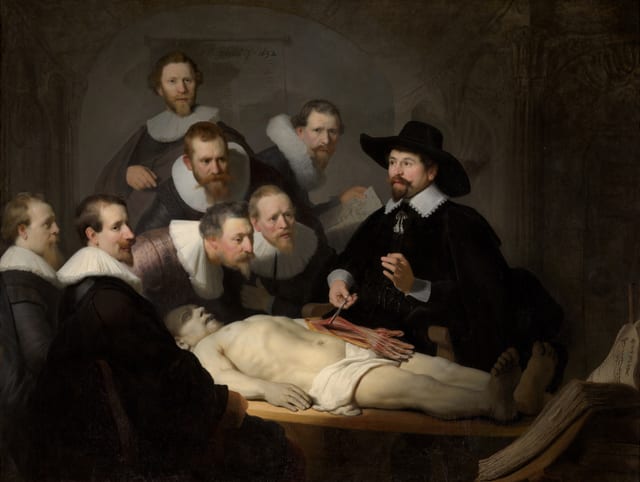
Rembrandt van Rijn
Dutch · 33 in the archive
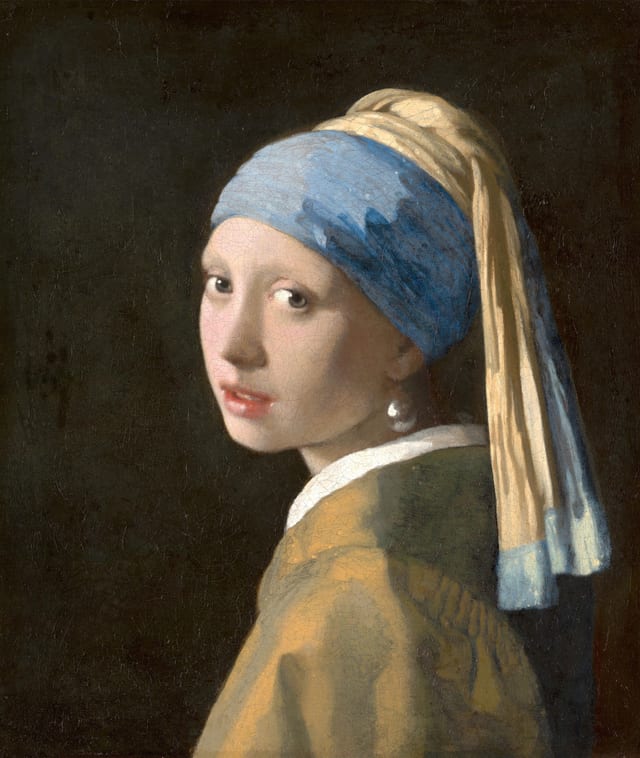
Johannes Vermeer
Dutch Republic · 21 in the archive
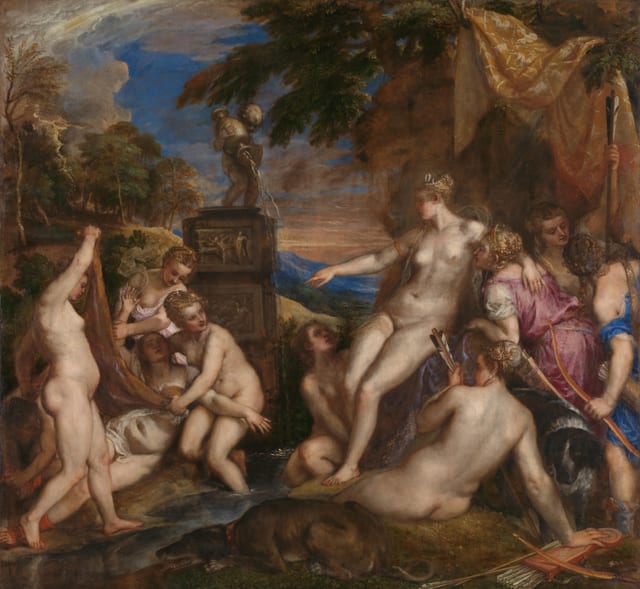
Titian
Italian · 18 in the archive

Raphael
Holy Roman Empire · 14 in the archive
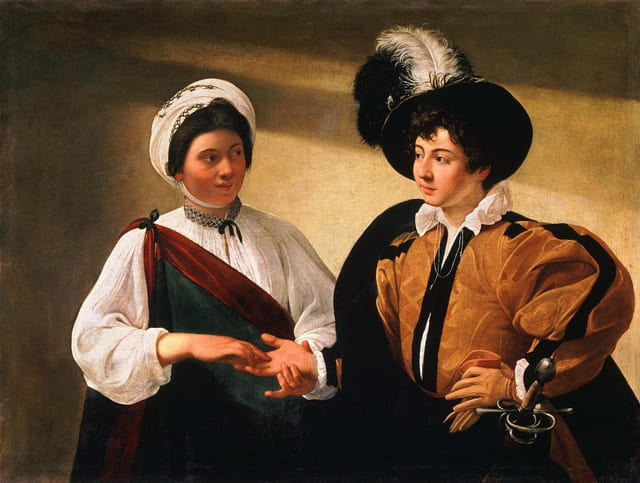
Caravaggio
Italian · 10 in the archive
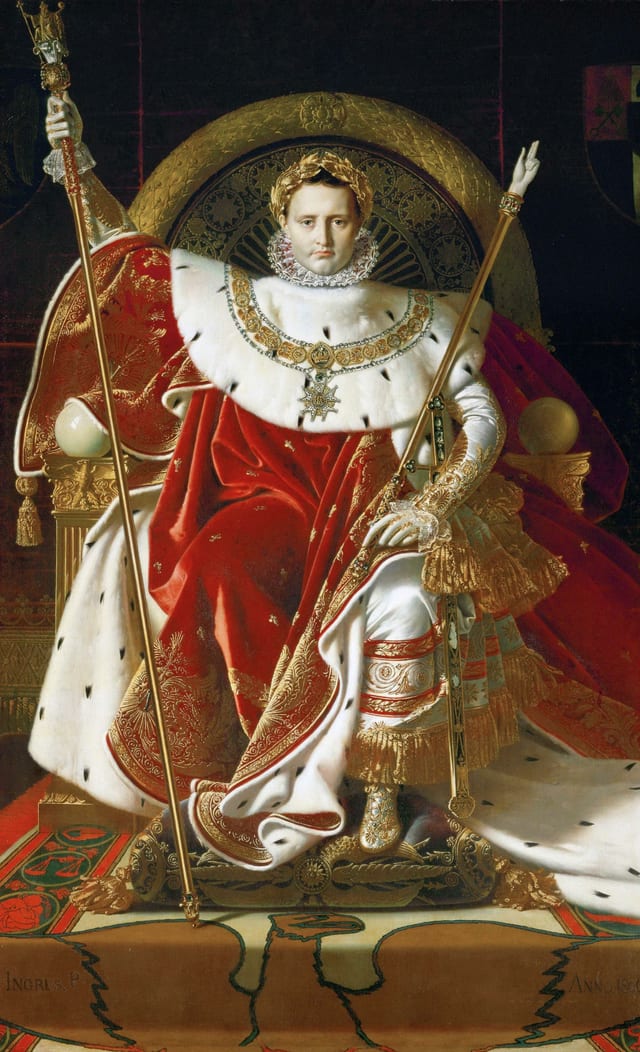
Jean-Auguste-Dominique Ingres
French · 10 in the archive
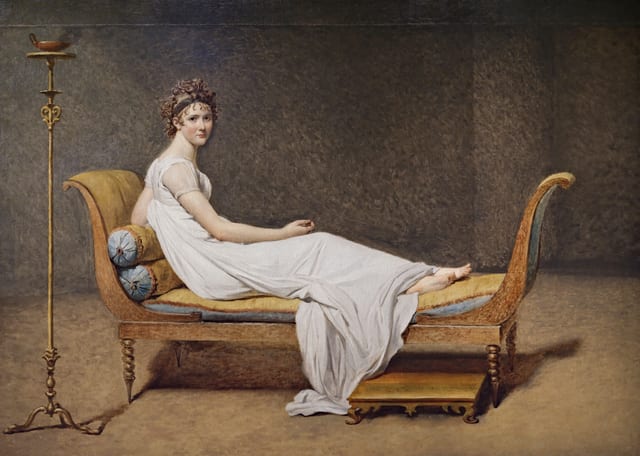
Jacques-Louis David
France · 9 in the archive
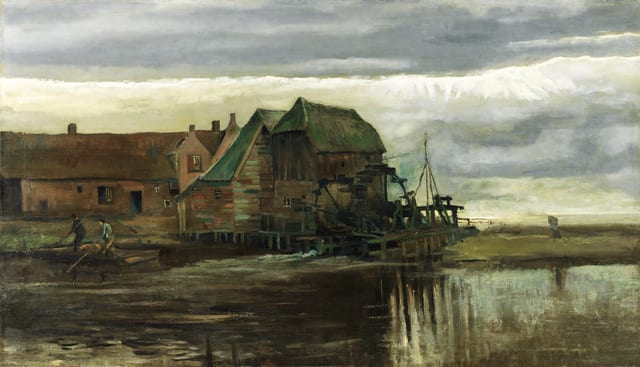
Vincent van Gogh
Dutch · 9 in the archive

Eugène Delacroix
French · 7 in the archive
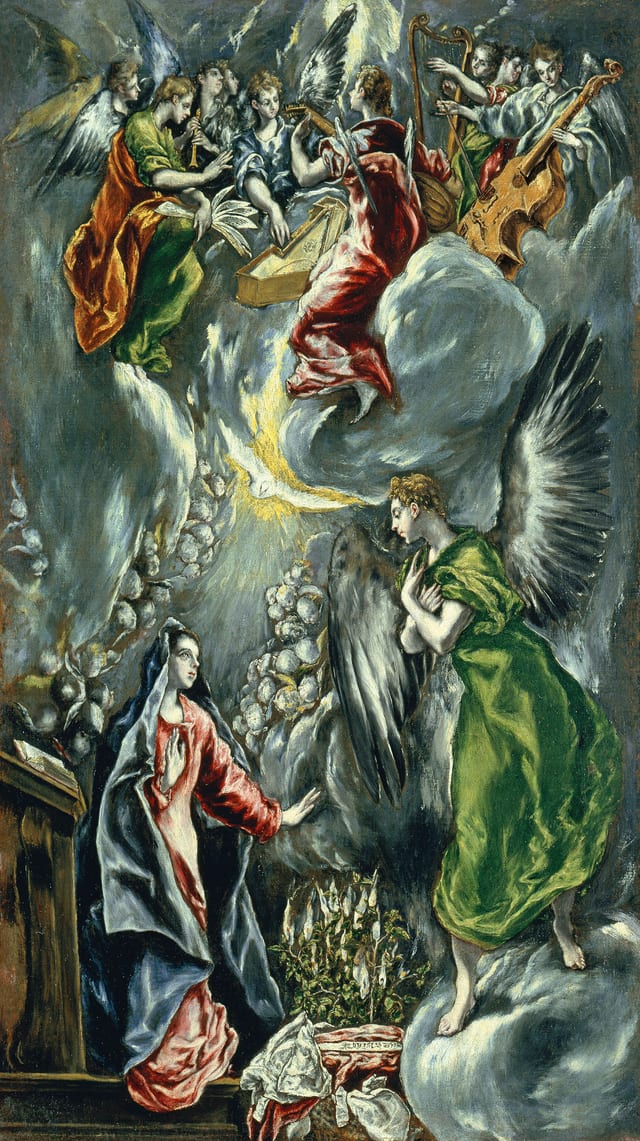
El Greco
Greek · 6 in the archive
Frederic Edwin Church
American · 6 in the archive
Francisco Goya
Spanish · 5 in the archive
Invite the masters into your living room.
Frans Hals on your TV, phone, or tablet. Free to start.
View on MomentableIndependent guide by Momentable · biography from Wikipedia · artworks are in the public domain and credited to the museum that holds them