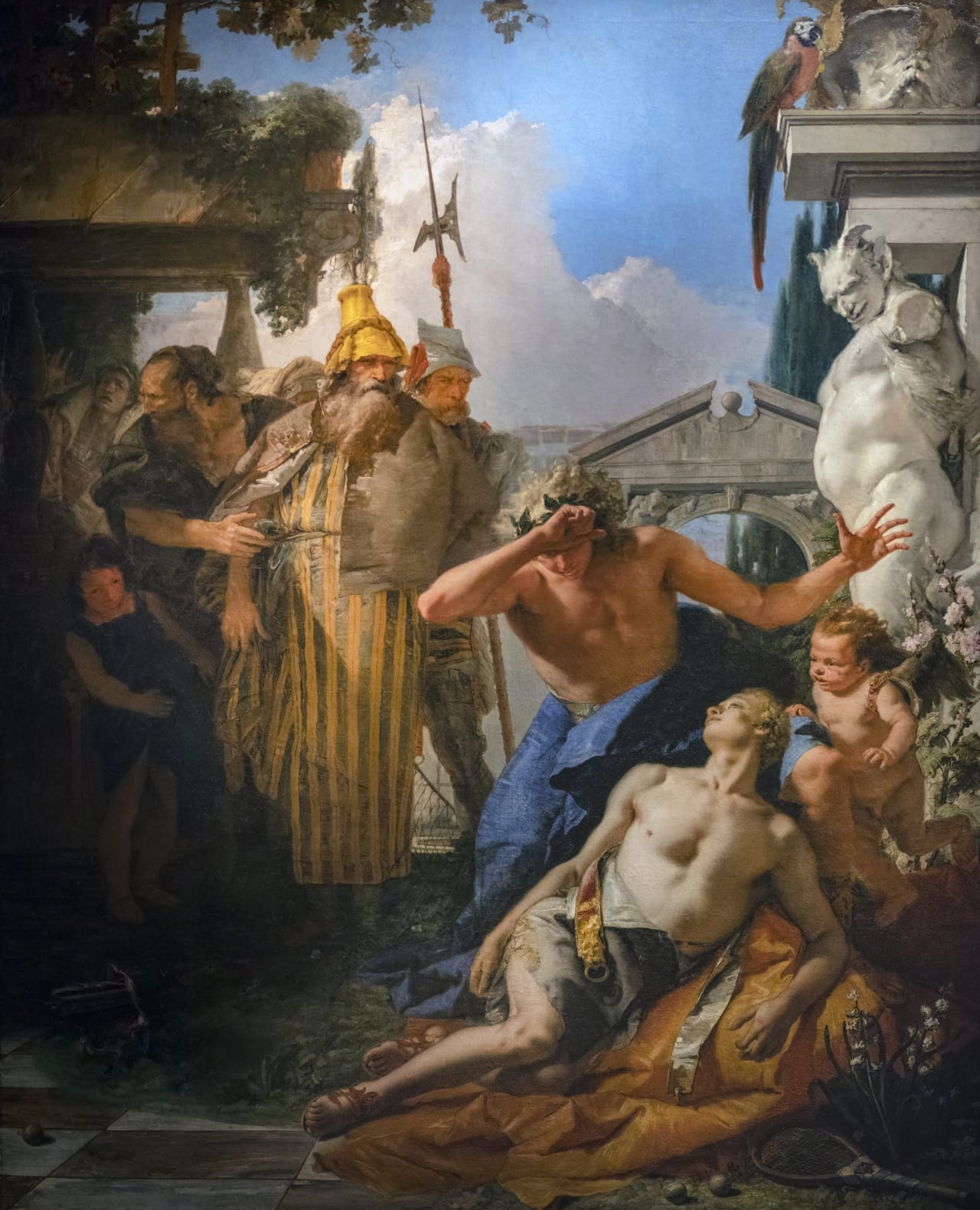
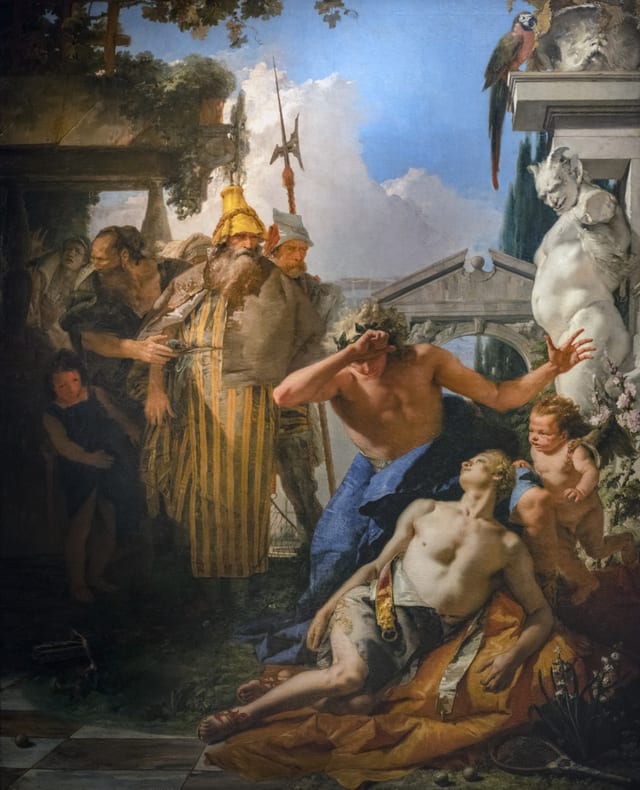
The Death of Hyacinth
Giovanni Battista Tiepolo · 1752

Giovanni Battista Tiepolo
Republic of Venice · 1696–1770
Giovanni Battista Tiepolo, also known as Giambattista (or Gianbattista) Tiepolo, was an Italian painter and printmaker from the Republic of Venice who painted in the Rococo style, considered an important member of the 18th-century Venetian school. He was prolific, and worked not only in Italy, but also in Germany and Spain. Giovan Battista Tiepolo, together with Giambattista Pittoni, Canaletto, Giovan Battista Piazzetta, Giuseppe Maria Crespi, and Francesco Guardi are considered the traditional Old Masters of that period. Successful from the beginning of his career, he has been described by Michael Levey as "the greatest decorative painter of eighteenth-century Europe, as well as its most able craftsman". == Biography == === Early life === Born in Venice, he was the youngest of six children of Domenico and Orsetta Tiepolo.
Independent artist guide by Momentable. Biography from Wikipedia; artworks credited to the museums that hold them.
 LIVENow streaming · The Death of Hyacinth
- life
- 1696–1770life
- rights
- Public domainrights
The work
A selection of 3 works, free to stream.
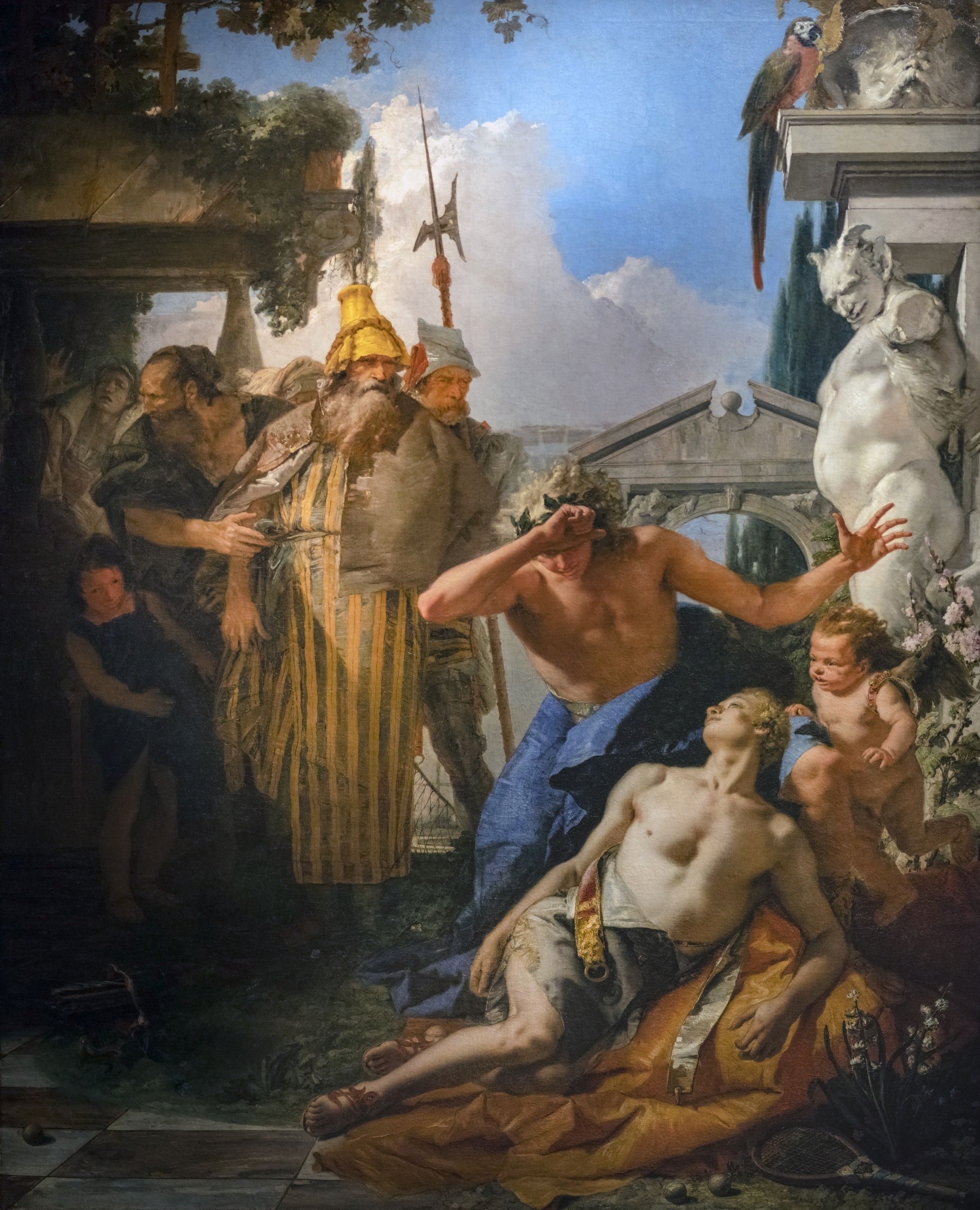
The Death of Hyacinth
Giovanni Battista Tiepolo · 1752
Thyssen-Bornemisza Museum
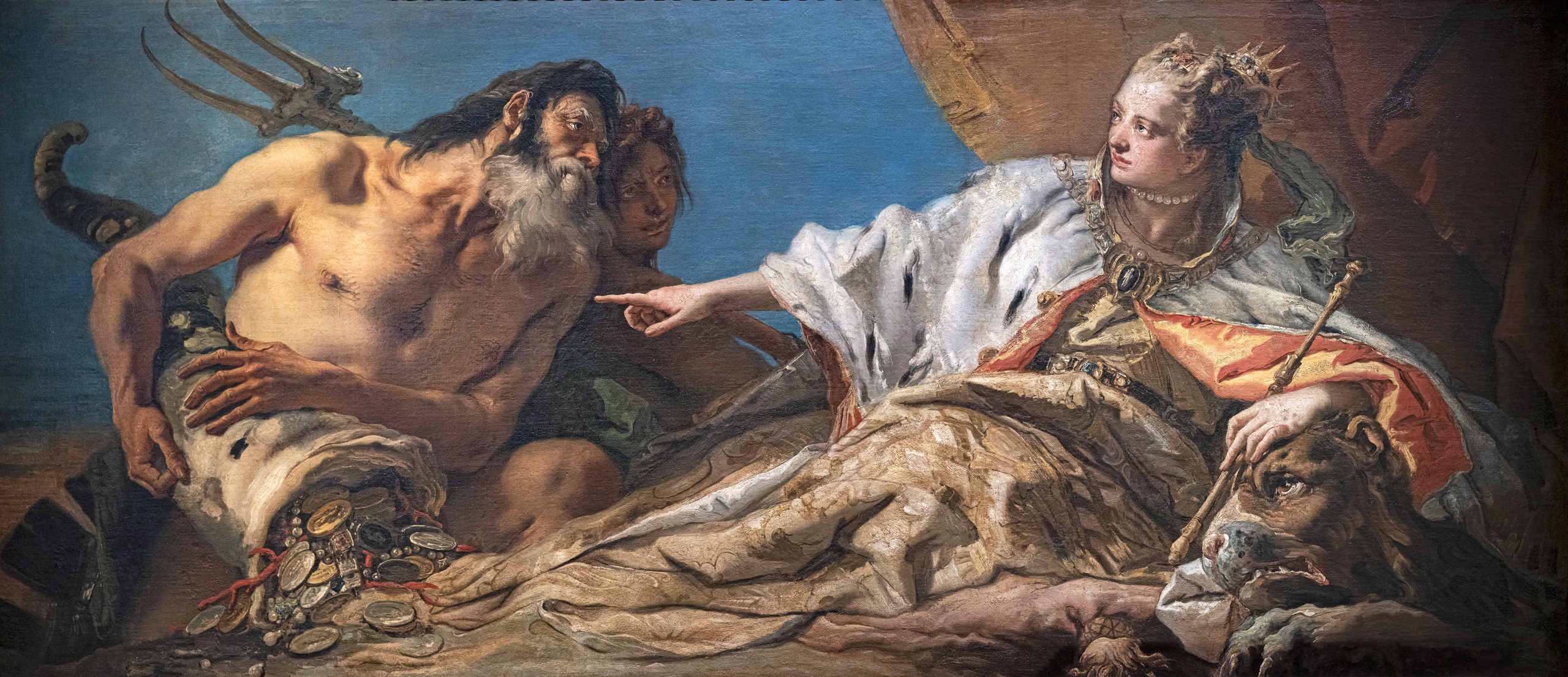
Neptune Offering Gifts to Venice
Giovanni Battista Tiepolo · 1740
Doge's Palace
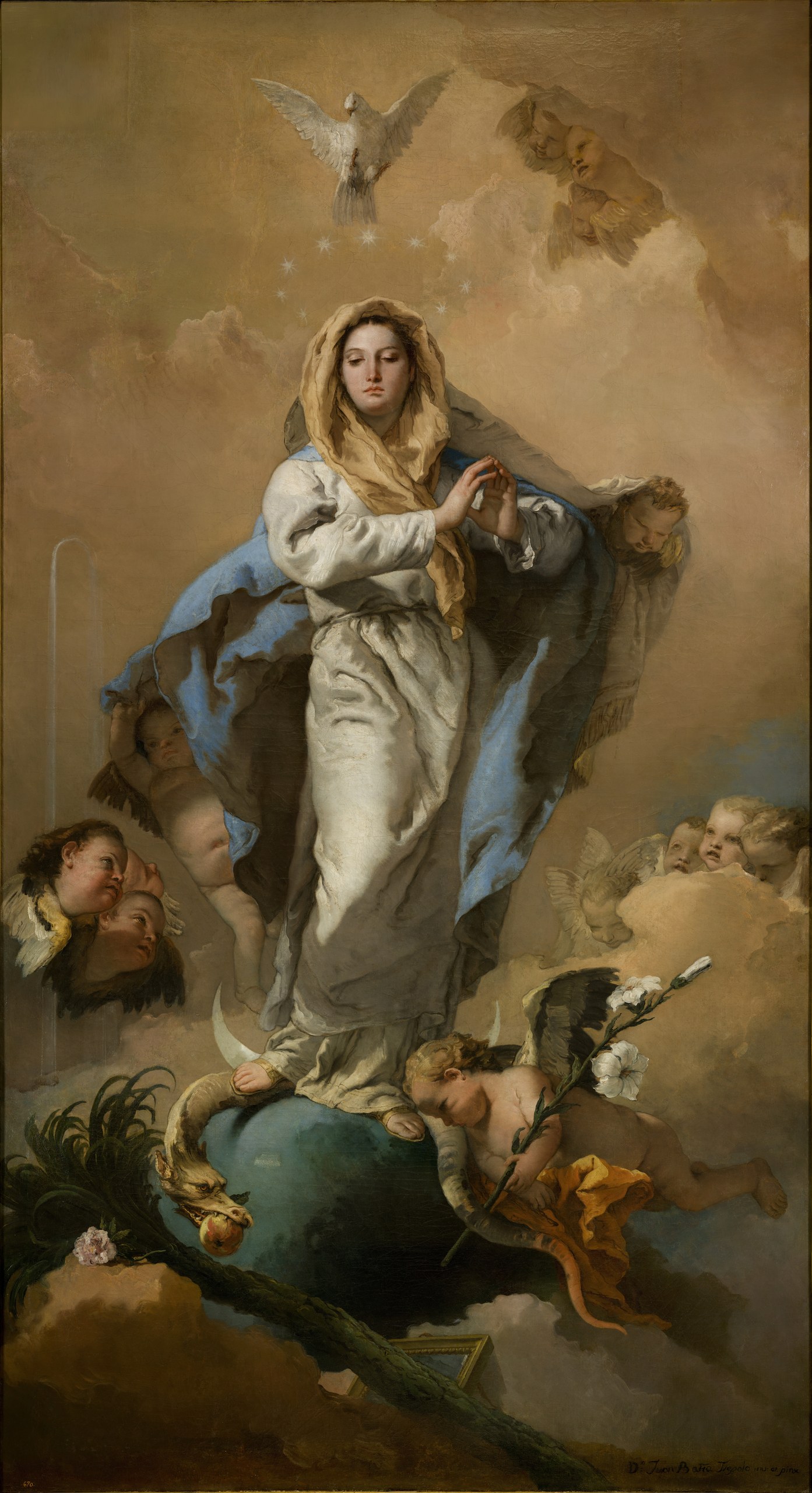
The Immaculate Conception
Giovanni Battista Tiepolo · 1767
Museo del Prado
Works worth knowing
1 of Giovanni Battista Tiepolo's works, and what makes each one worth a look.
The Immaculate Conception
Giovanni Battista Tiepolo · 1767
Museo del Prado
The Immaculate Conception is a painting by Italian painter Giovanni Battista Tiepolo (1696 to 1770). The painting was one of seven altarpieces commissioned in March 1767 from Tiepolo by King Charles III of Spain for the Church of Saint Pascual in Aranjuez, then under construction. This was originally an Alcantarine (Franciscan) monastery that was later assigned to the Conceptionist nuns.
Where the work hangs
The museums that hold it, and their visitor guides.
If you like Giovanni Battista Tiepolo
Artists held by the same museums.
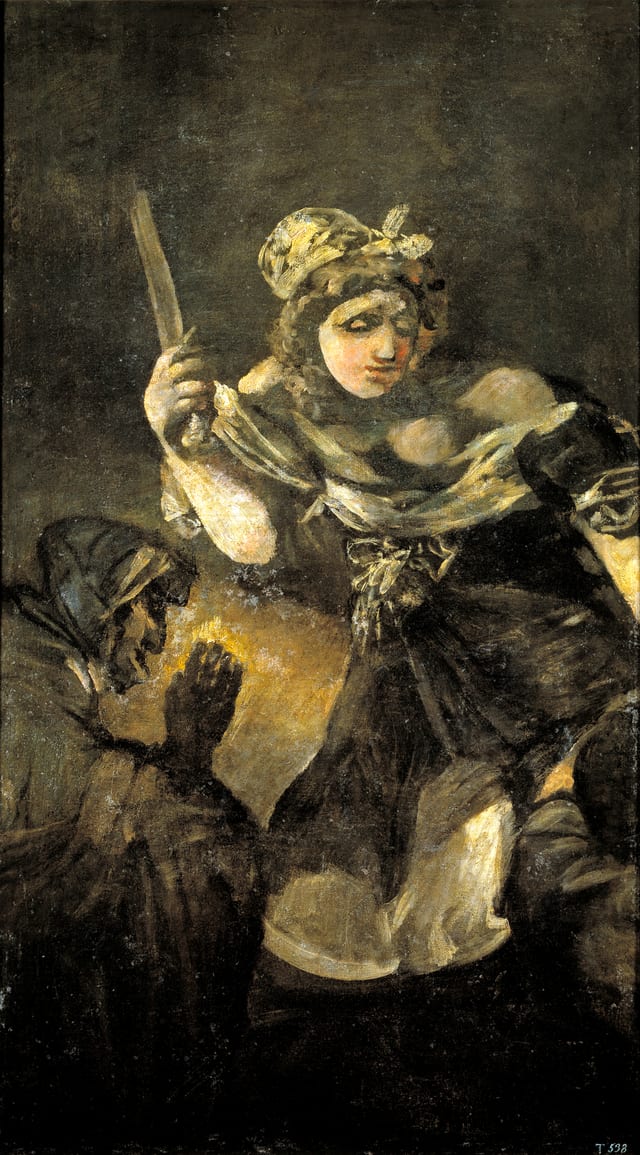
Francisco Goya
Spanish · 24 in the archive
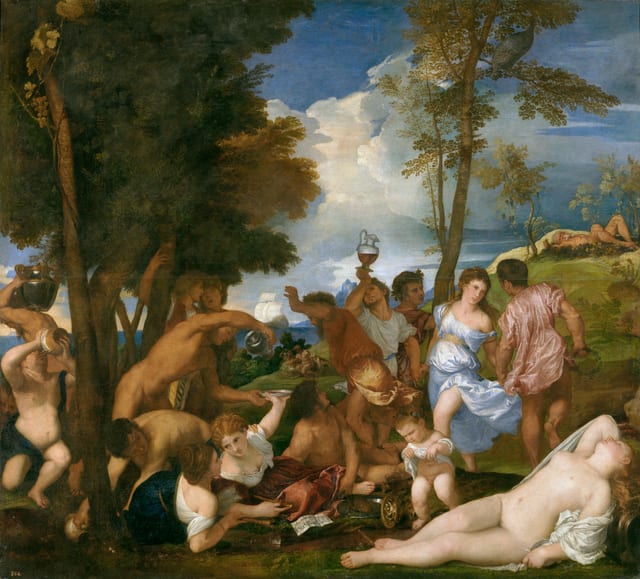
Titian
Italian · 17 in the archive
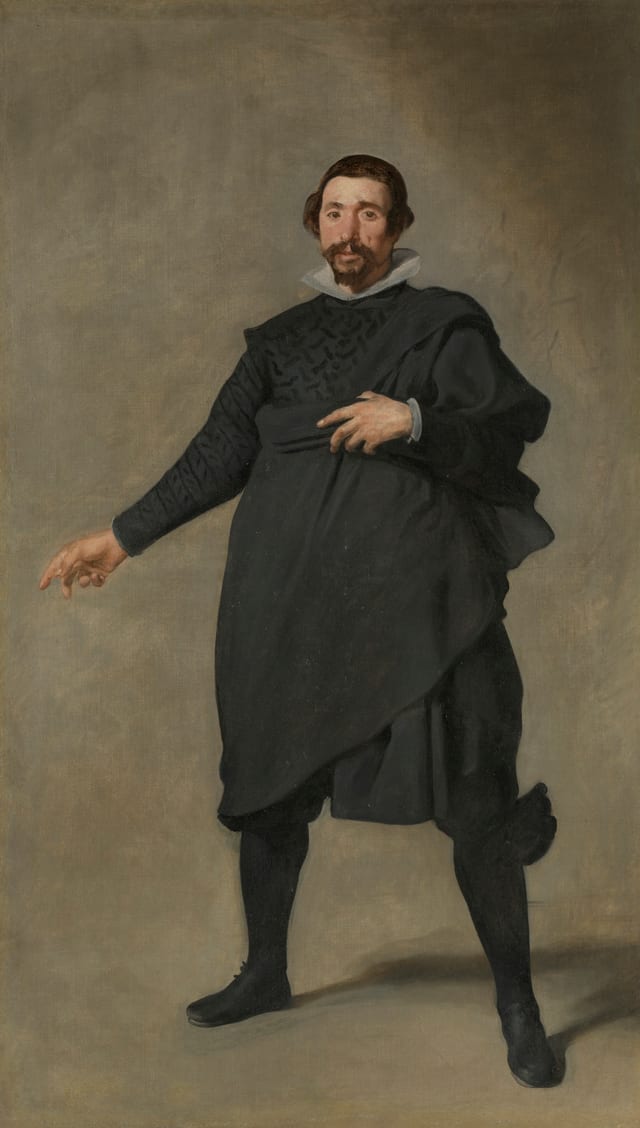
Diego Velázquez
Spain · 13 in the archive
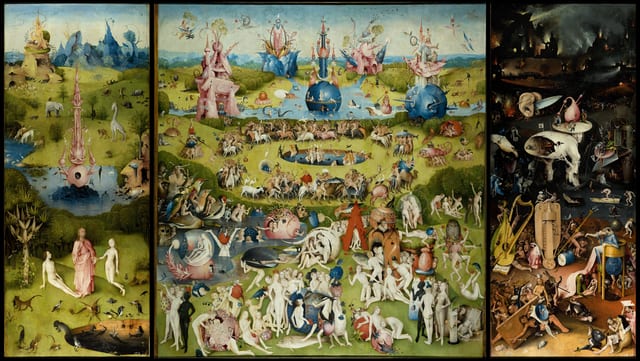
Hieronymus Bosch
Dutch · 11 in the archive
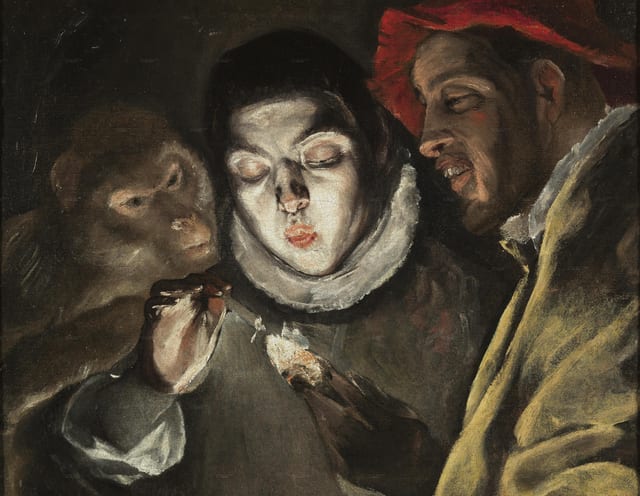
El Greco
Greek · 9 in the archive
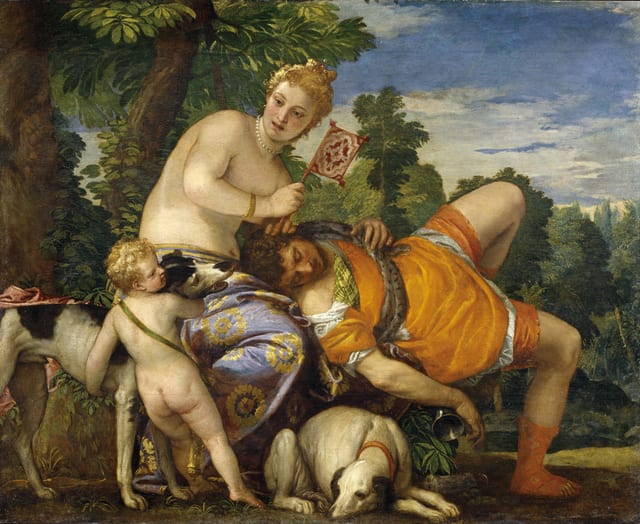
Paolo Veronese
Republic of Venice · 9 in the archive
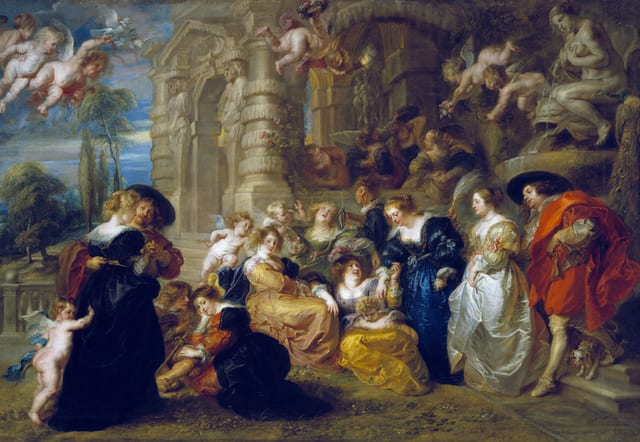
Peter Paul Rubens
Flemish · 8 in the archive
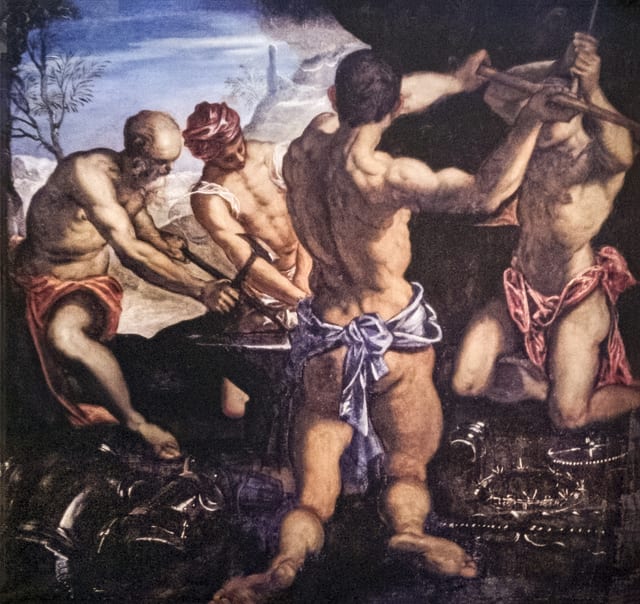
Jacopo Tintoretto
Italian · 7 in the archive
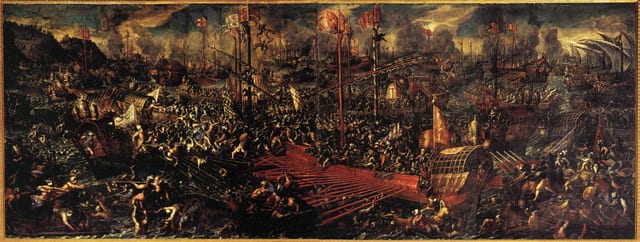
Andrea Vicentino
Republic of Venice · 6 in the archive
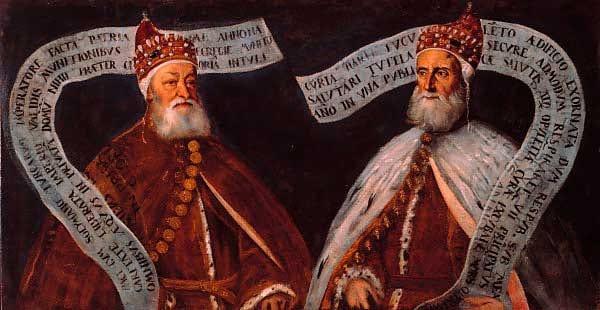
Domenico Tintoretto
Republic of Venice · 6 in the archive
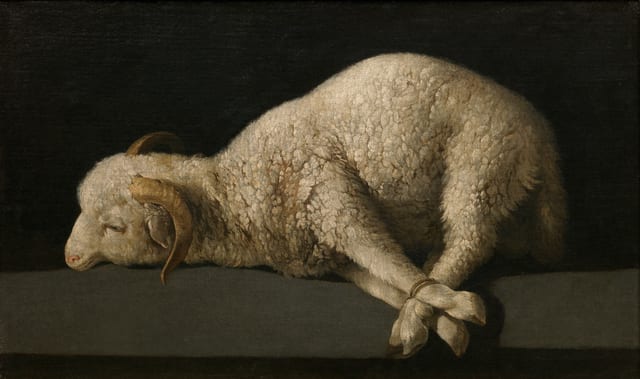
Francisco de Zurbarán
Spain · 6 in the archive
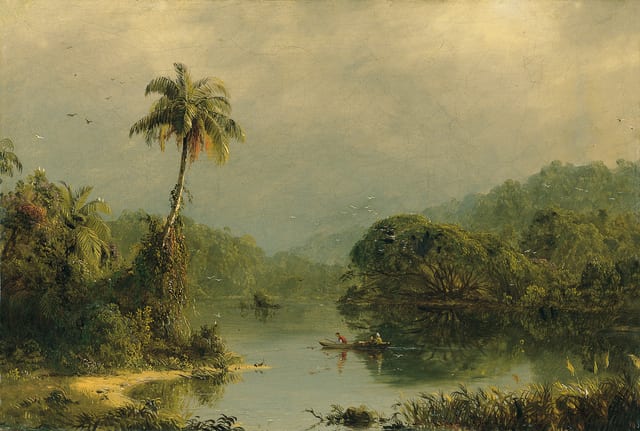
Frederic Edwin Church
American · 6 in the archive

Invite the masters into your living room.
Giovanni Battista Tiepolo on your TV, phone, or tablet. Free to start.
View on MomentableIndependent guide by Momentable · biography from Wikipedia · artworks are in the public domain and credited to the museum that holds them